What's Growing Now: Eating Seasonally in Grant County
No restrictions, via Wikimedia Commons
Drive along any road outside Ephrata in July and you'll pass fields of potatoes, sweet corn, alfalfa and orchard blocks heavy with fruit. Then you sit down at a restaurant that same week and the menu looks exactly like it did in February. Same salad mix, same tomatoes, same apples. If you've wondered why the food on your plate doesn't match what's growing outside the window, you're not imagining it.
Most likely cause
Most restaurants in Grant County, including plenty of good ones, buy through regional food distributors rather than straight from the farms next door. That's not laziness. It's how a kitchen keeps a menu affordable and consistent when it has to serve the same dishes every day, all year, regardless of frost, drought or harvest delays. Seasonal food usually shows up as a special or a rotating item, not a full menu rebuild.
You can confirm this yourself pretty easily. Ask your server what's a current special or a "market" item versus what's on the standing menu. The standing menu is built for year-round supply. The specials board, if a place has one, is where the actual season shows up.
Less common causes
A few other things blur the line between what's growing here and what's on your plate.
- Grown here doesn't mean sold here. Grant County grows enormous volumes of potatoes, wine grapes, alfalfa and other crops, but a lot of it is grown under contract for processing plants or export, not for the produce stand down the road. A field of potatoes near your house might be headed to a frozen fry plant, not a restaurant kitchen.
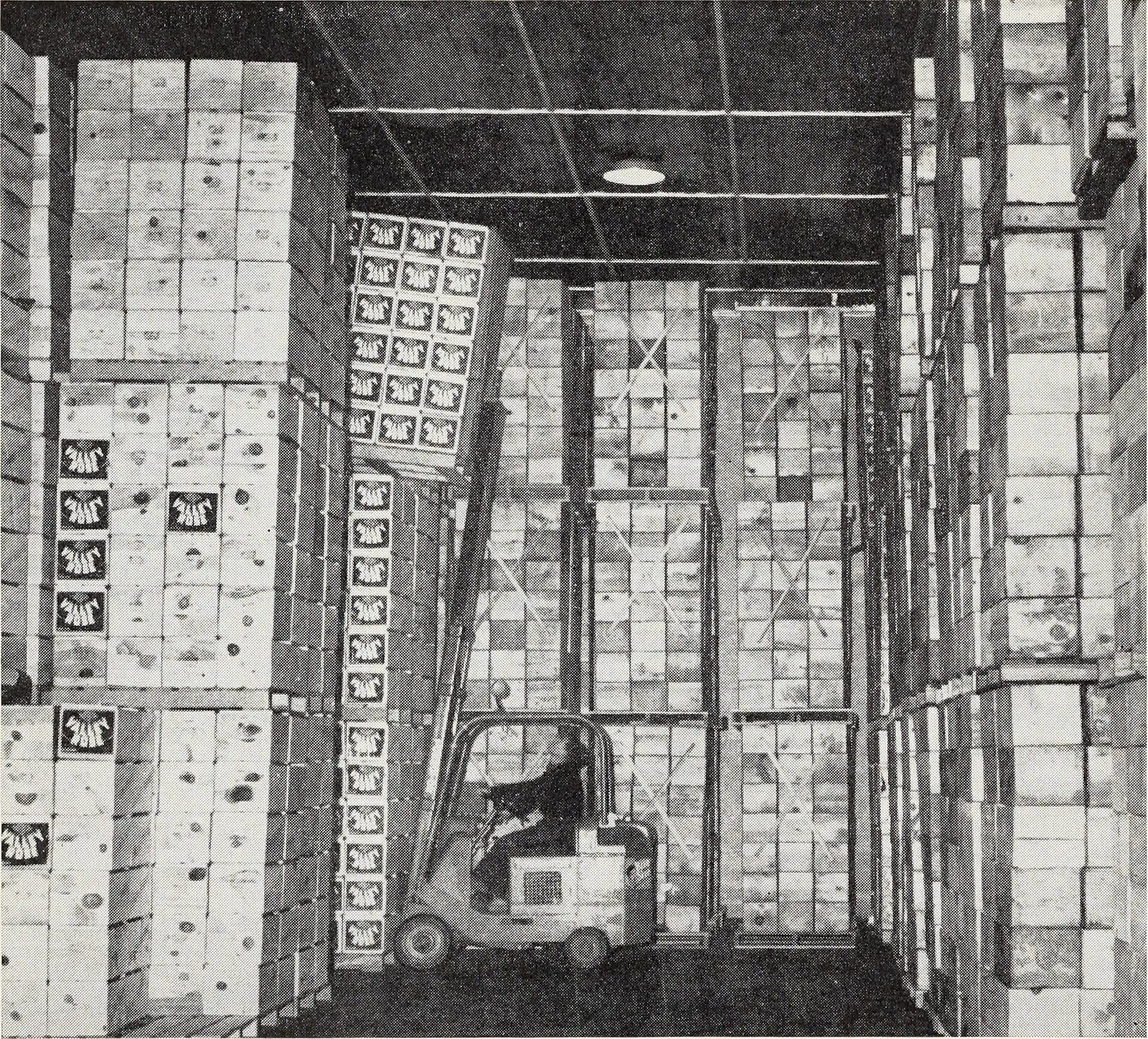
- Cold storage stretches the calendar. Apples and potatoes in particular can sit in controlled storage for months after harvest. That's why you can buy a decent Washington apple in April even though it was picked the previous September. It's real, it's local in origin, but it's not fresh off the tree.
- Harvest timing shifts year to year. Because most farming here depends on irrigation from the Columbia Basin Project rather than rainfall, planting and harvest dates can move by a week or two depending on water delivery schedules and the weather that season. So "cherries are ready" one year might land a little earlier or later than the last.
How to fix it
If you actually want to eat with the season in Grant County, here's a rough, honest guide. Treat these as general windows, not fixed dates, since actual timing shifts year to year with weather and water.
- Spring (April to June): asparagus is the big one here, along with early greens and rhubarb.
- Early to mid summer (June to July): cherries, followed by early stone fruit like apricots and peaches.
- Late summer (August to September): sweet corn, tomatoes, peppers, melons, and the start of the apple harvest.
- Fall (September to October): apples, winter squash, and the potato harvest, which is a genuinely big deal in this county.
- Winter: mostly stored crops, potatoes and apples pulled from cold storage, plus root vegetables that keep well.
A few practical ways to actually eat this way:
- Look for roadside stands and u-pick signs during the harvest windows above. That's the most direct route from field to table.
- Ask at local restaurants whether they run seasonal specials, and ask what's actually local that week rather than assuming everything with "fresh" on the menu is from nearby.
- If a menu item is built around a crop this county actually grows in volume, like potatoes, corn or apples, you're on solid ground guessing it's regional even outside peak harvest, since so much of it is grown and processed close by.
- Don't expect the same from things like citrus, leafy greens in winter, or tropical fruit. None of that grows here, and any menu that implies otherwise is stretching the truth.
Places around town that run happy hour or game-day specials, like 12 Hawks here in Ephrata, will sometimes lean into a seasonal item for a few weeks when a crop peaks. It's worth asking rather than assuming the printed menu tells the whole story.
When it is not worth fixing
Not everything needs to be chased down to its seasonal origin, and it's worth being honest about that. A basket of fries doesn't get better because you tracked down the exact week the potatoes were dug. Potatoes store well, and a good fry is a good fry in January or July. Same goes for onions, garlic, and most root vegetables. They're grown seasonally but eaten year round without much loss in quality.
There's also no point being precious about produce this region simply doesn't grow. Citrus, avocados, bananas, most salad greens in the dead of winter. None of that has a local season here, so a menu using shipped-in versions of those isn't cutting corners, it's just reality. The crops worth paying attention to are the ones actually grown in volume in Grant County: potatoes, apples, cherries, sweet corn, asparagus, and wine grapes for the local wineries. Those are the ones where timing and freshness genuinely change the plate.
The short version: eating seasonally here isn't about demanding everything be local all the time. It's about knowing the handful of crops this county actually grows, watching for the few weeks each year they're at their best, and asking a few questions before assuming a menu reflects what's happening in the fields outside.
Hungry? The game is always on.
Breakfast, lunch, dinner and craft cocktails at 140 Division Ave W, Ephrata.
See the menu