What Makes a Craft Cocktail Different From a Regular Mixed Drink
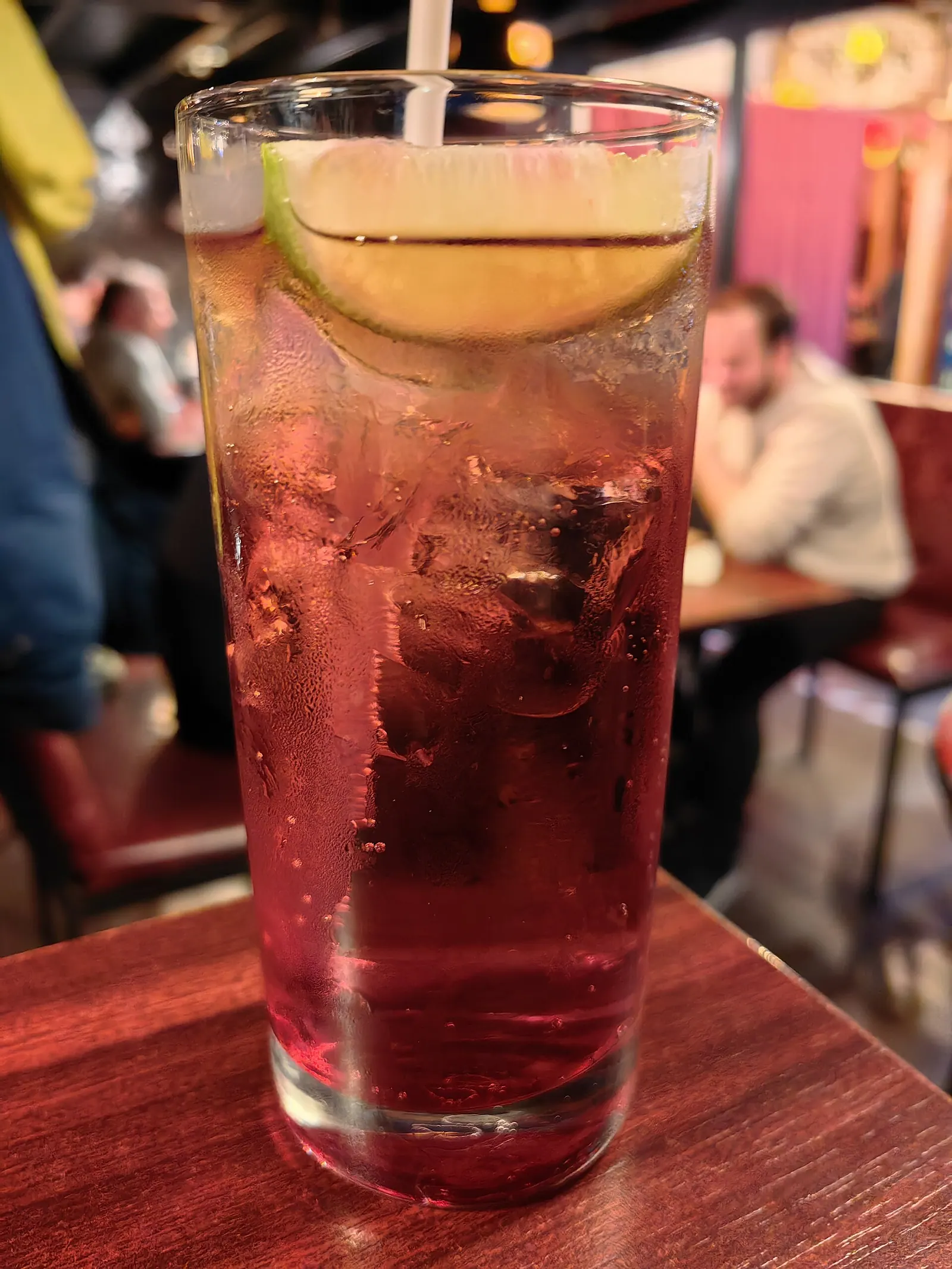
CC0, via Wikimedia Commons
A craft cocktail is made from scratch with fresh ingredients and a real recipe. A regular mixed drink is liquor poured over ice with a mixer dumped on top. That's the core difference. Everything else, the fancy glass, the garnish, the bitters, comes from that one distinction.
What you need
- Fresh juice (squeezed that day or that week, not a jug of concentrate)
- A base spirit worth tasting on its own, not just the cheapest well pour
- Fresh or house-made syrups and modifiers, like simple syrup, honey syrup, or a fresh mint muddle
- Bitters, at least one or two bottles, used in small dashes
- Proper ice, big clear cubes for drinks served on the rocks, smaller ice for shaking
- A shaker or mixing glass and a jigger for actual measuring
- The right glass for the drink, coupe, rocks glass, highball, whatever the recipe calls for
None of this is exotic. A lot of home bars already have most of it. The difference is whether someone actually uses it and measures, or just free-pours and hopes.
Step by step
- Start with a recipe, not a vibe. A craft cocktail follows a ratio, usually something like two parts spirit, three-quarters part sour, three-quarters part sweet. A regular mixed drink is more like "pour some vodka, top with soda." Both can be fine drinks. Only one is a craft cocktail.
- Measure everything. A jigger takes ten seconds to use. Skipping it is the single biggest reason home cocktails and bad bar cocktails taste unbalanced, either too boozy or too sweet.
- Shake or stir for the right amount of time. Drinks with juice or egg white get shaken hard, usually ten to fifteen seconds, to chill and dilute properly. Drinks that are all spirit, like a Manhattan or a Negroni, get stirred, usually twenty to thirty seconds, so they stay clear and silky instead of getting cloudy and diluted.
- Strain and garnish with intent. A lemon twist expressed over the drink adds real citrus oil to the aroma. A lime wedge jammed on the rim after the fact is decoration. Both are garnishes. Only one is doing something for the drink.
Where this goes wrong
The most common failure is calling something a craft cocktail when it's really just a mixed drink with a cherry in it. Sour mix from a plastic jug instead of fresh lemon and lime juice is the biggest tell. Bottled sour mix is mostly sugar, citric acid, and preservatives. It tastes flat and one-note compared to fresh juice, and anyone who drinks cocktails regularly can taste the difference immediately.
Another common problem is free-pouring instead of measuring. A bartender eyeballing a pour might be consistent after years of practice, but most aren't, and the same drink ends up tasting different every time. That inconsistency is the opposite of what a craft program is supposed to deliver.
Warm or badly diluted drinks are another failure point. Shaking too briefly leaves a drink warm and underdiluted, so it tastes harsh and boozy. Shaking too long or with the wrong ice waters it down until there's no flavor left. Stirred drinks made with small, fast-melting ice cubes go the same way, watery before they're even served.
Overcomplicating things is a real risk too. A cocktail with eight ingredients and three homemade components isn't automatically better than a well-made three-ingredient drink. Craft doesn't mean complicated. It means the ingredients are good and the ratios are right. Some of the best-known cocktails, an Old Fashioned, a Daiquiri, a Negroni, have three or four ingredients total.
Price confusion is common on the customer side. People sometimes assume a craft cocktail should cost the same as a well drink because "it's just liquor and juice." Fresh juice, quality spirits, and the labor to make syrups and bitters cost more than pouring soda over vodka. A price difference of a few dollars is usually explained by ingredient and labor cost, not markup for the sake of it.
When to stop and call someone
If someone wants to get serious about making craft cocktails at home, there's a point where reading about ratios isn't enough. Working with fresh citrus, simple syrups, and raw egg white (used in drinks like a Whiskey Sour) means learning some basic food safety, like how long fresh juice actually stays good in the fridge (a few days, not weeks) and how to handle raw egg properly. That's not something to guess at.
Buying real bar tools, a Boston shaker, a jigger, a proper strainer, a bar spoon, is worth it if someone plans to make cocktails regularly. It's not worth it for someone who wants a drink twice a year. In that case, going out and letting a bartender who does this every shift make the drink is the better move, both for the drink and for the wallet.
And honestly, sometimes the answer is just to order what sounds good and stop worrying about the label. Whether a drink is technically a craft cocktail or a well-made mixed drink matters less than whether it tastes good and the person serving it knows what they're doing. If you're in Ephrata and want to see the difference for yourself, 12 Hawks runs a full bar with fresh ingredients behind it, and happy hour Monday through Friday from 2 to 4pm is a low-stakes way to try a few and see what you like.
Hungry? The game is always on.
Breakfast, lunch, dinner and craft cocktails at 140 Division Ave W, Ephrata.
See the menu